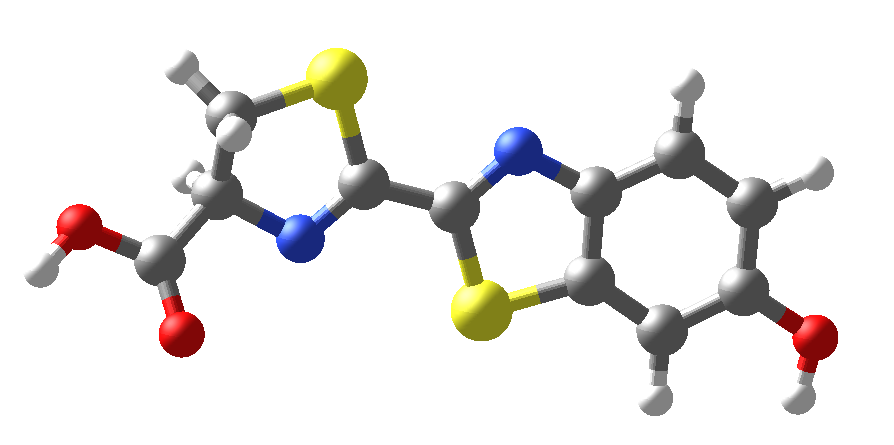
Compute molecules
Run quantum computations with density functional theory, wave-function methods, and reduced-density-matrix methods for molecular energies, structures, and properties.
RDMChem's Quantum Chemistry Toolbox for Maple 2026 brings electronic structure methods, reduced-density-matrix theory, symbolic computation, visualization, and interactive documentation into a single scientific environment.
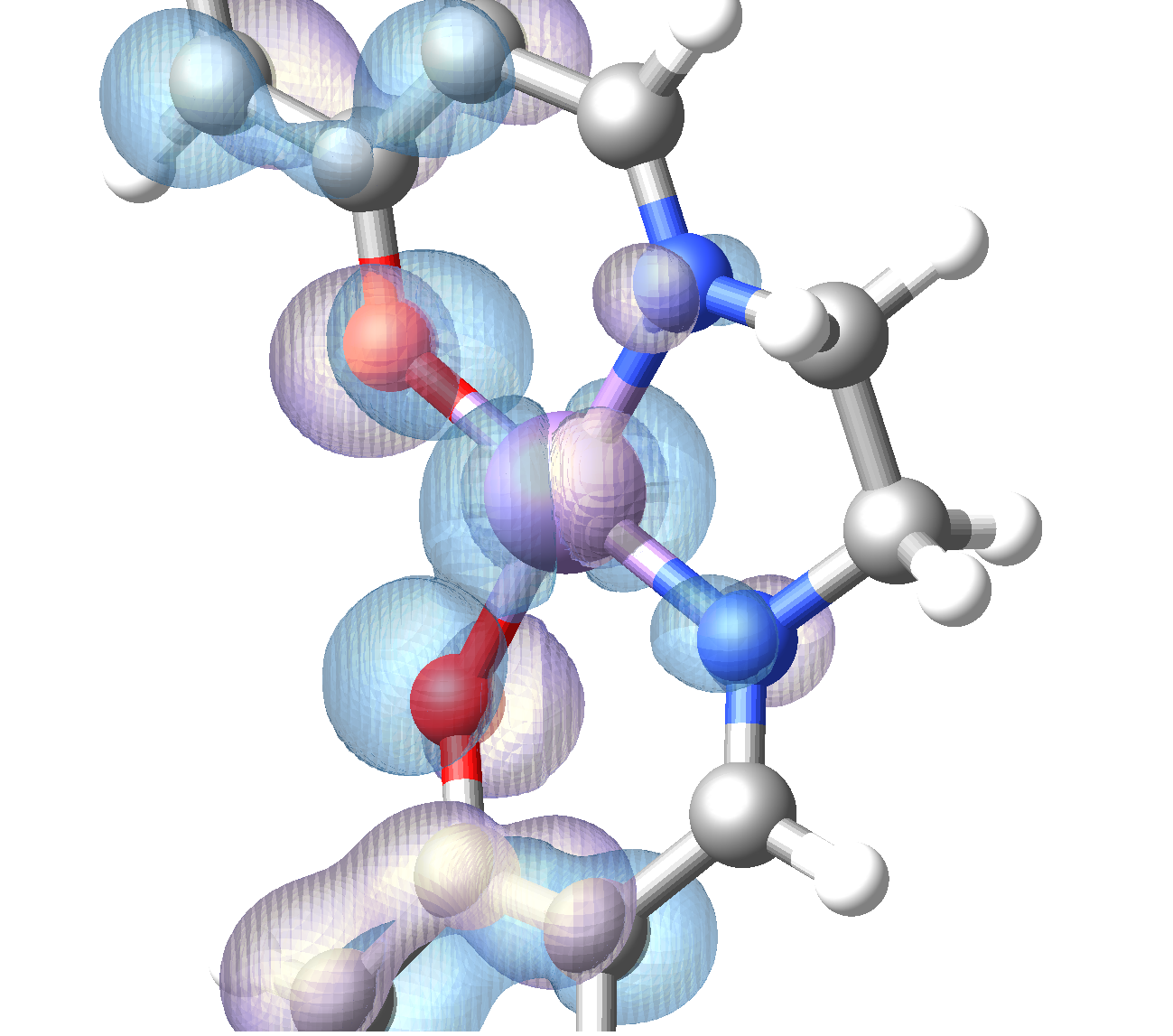
The Quantum Chemistry Toolbox combines established electronic structure methods, reduced-density-matrix approaches, visualization, AI-assisted workflows, literature search, and Maple’s symbolic programming language.
Run quantum computations with density functional theory, wave-function methods, and reduced-density-matrix methods for molecular energies, structures, and properties.

Use modern RDM methods, including variational 2-RDM and contracted Schrödinger equation methods, to study strongly correlated molecules.
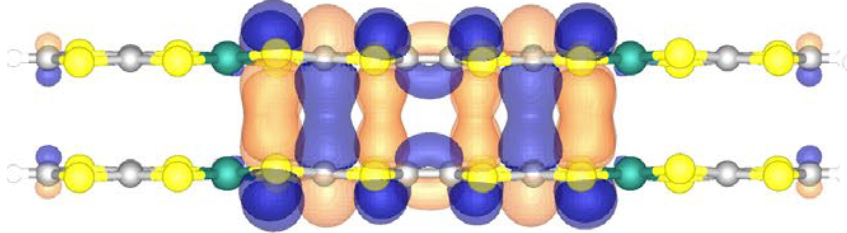
Analyze molecular orbitals, densities, electrostatic potentials, vibrations, and computed properties with publication-ready plots and interactive 3-D graphics.
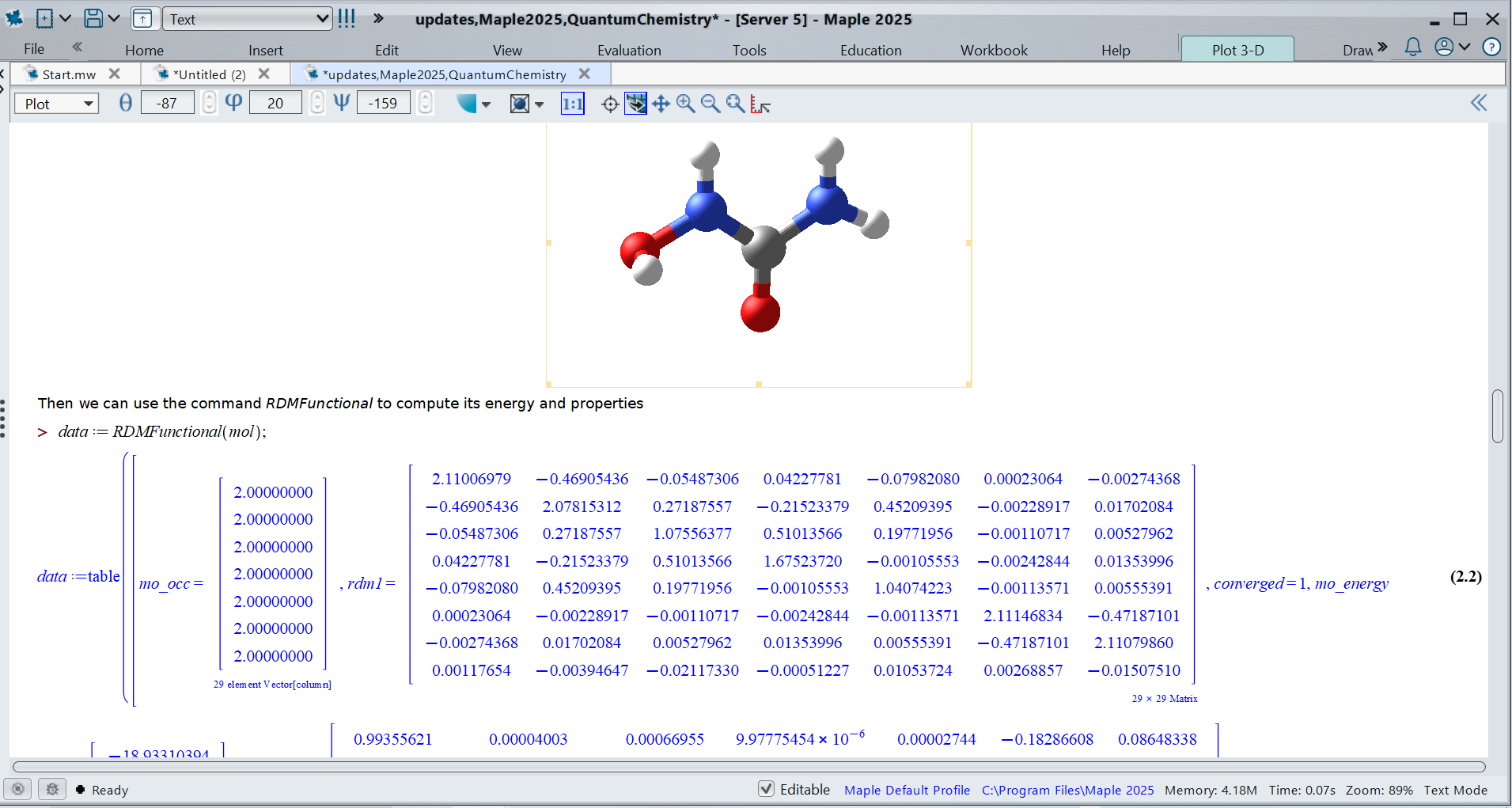
Keep input, computations, text, plots, data, and analysis together in Maple worksheets that support reproducible computational research.
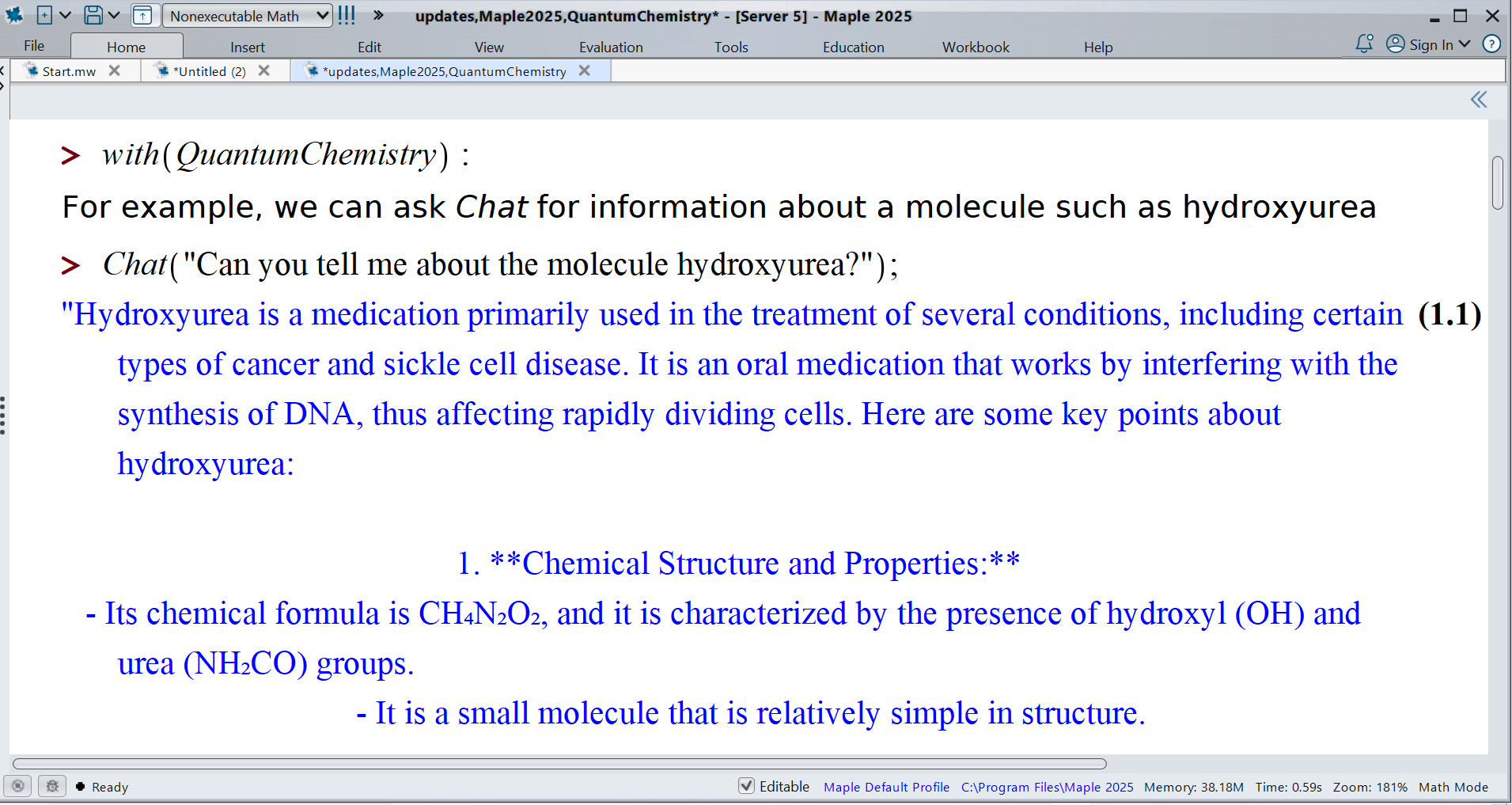
Ask scientific questions through built-in AI chat and connect with molecular science references through integrated literature search.

Use a complete symbolic and numerical programming language to extend computations, manipulate operators and tensors, and export results for further analysis.
QCT is built for researchers who need to combine electronic structure calculations, symbolic reasoning, data analysis, and visualization in one environment. Its RDM capabilities are especially suited to molecules and materials where static correlation and many-electron effects are central.
The Maple 2026 release highlights significant new Quantum Chemistry Toolbox capabilities for tensor algebra, second-quantized operators, computation, visualization, and workflow.
Use this section as a research-facing feature index. The links point to Maplesoft’s online help pages where available.
Alongside its research capabilities, QCT includes interactive lessons for high school, undergraduate, and graduate courses. Students can explore atomic structure, bonding, spectroscopy, thermodynamics, quantum mechanics, computational chemistry, and more through live Maple worksheets.

“Working in Maple with the Quantum Chemistry Toolbox from RDMChem is highly intuitive. It almost feels like I just ask for what I’m looking for in a couple of sentences, provide a few details, and then Maple simply does it. It is much simpler than any other computational chemistry tool I’ve ever used ...”— Prof. Dr. Jan van Leusen, RWTH Aachen University
The Quantum Chemistry Toolbox for Maple is available through Maplesoft for students, academic researchers, professional users, and institutions.
Discounted access for full-time students with a valid academic email.
Student PricingLicensing for university researchers, educators, and academic institutions.
Academic PricingFor commercial, government, and industry users in research and development.
Professional PricingRDMChem LLC was founded in 2014 to develop a new platform for electronic structure computations. The company began at the Polsky Exchange at the University of Chicago, where it was among the early companies working in the incubator space.
Early members of RDMChem included Shiva Safaei, Shayan Hemmatiyan, Erik Hoy, and Andrew Sand. From the beginning, RDMChem pursued the unusual goal of building electronic structure software within Maple, one of the leading computer algebra systems, so that symbolic computation, numerical methods, visualization, and documentation could work together in a single environment.